

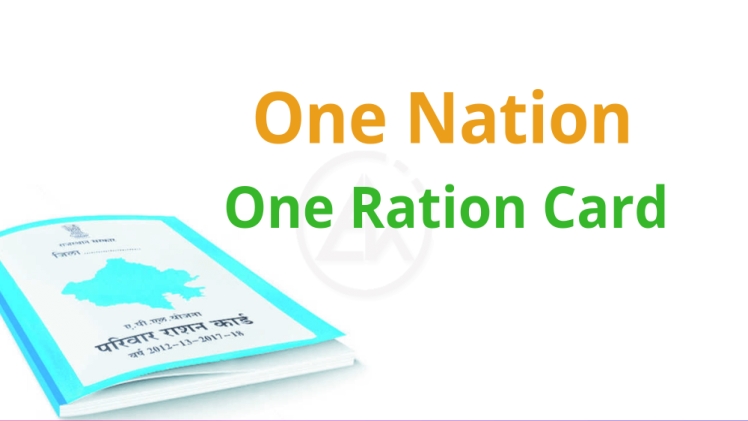
A Ration Card is a crucial document issued by the Indian government, serving as proof of identity and residence. It plays a pivotal role in accessing subsidized food and essential items from ration stores and fair pricing shops through the Public Distribution System. Different types of ration cards exist, categorized by the state governments, each with its own criteria. In this article, we will explore the basics of various ration cards, their eligibility requirements, and the advantages they offer. We will also touch upon how online services have simplified processes like obtaining a ration card, birth certificate, or death certificate.
What is a Ration Card?
A Ration Card is an essential document issued by the Indian government, serving multiple purposes. It acts as proof of residence and identity, making it useful for obtaining other vital documents like passports, driving licenses, and Aadhaar cards. Additionally, it can be used as an address proof.
The primary function of a ration card is to provide economically disadvantaged citizens access to essential food items such as rice, pulses, wheat, kerosene, and sugar at subsidized rates.
Types of Ration Cards Under the National Food Security Act (NFSA)
The NFSA, enacted in 2013, governs the distribution of ration cards, specifying the criteria and rate card for food distribution. The NFSA has introduced the following types of ration cards:
- Antyodaya Anna Yojana (AAY): This type of ration card is issued to underprivileged families identified by the State Government. It is meant for those without a stable source of income, including unemployed individuals, the elderly, and others. AAY cardholders are entitled to 35 kg of food grains monthly, including rice, wheat, and coarse grains, at highly subsidized prices (Rs 3, Rs 2, and Rs 1, respectively).
Eligibility Criteria for Antyodaya Anna Yojana:
Agriculture laborers without land, marginal farmers, rural artisans, and craftsmen.
Daily wage earners in the informal sector, both in rural and urban areas.
Households headed by terminally ill individuals, disabled people, those over 60, or widows with no reliable income or support.
Primitive tribal households.
- Priority Household (PHH): Families not covered under AAY fall into the PHH category. State governments select priority families based on specific criteria. PHH cardholders are eligible for 5 kg of food grains monthly at subsidized rates (Rs 3 for rice, Rs 2 for wheat, and Rs 1 for coarse grains).
Eligibility Criteria for Priority Household Ration Card: Eligibility is determined using inclusion and exclusion criteria. Families meeting inclusion criteria are evaluated, while those meeting exclusion criteria are removed from the priority list.
Inclusion Criteria for PHH Ration Card:
Families without a proper dwelling.
Households with a member relying on alms.
Houses of Primitive Tribal Groups.
Households with a widow receiving a pension.
Individuals with disabilities of 40% or more.
Transgender individuals.
Exclusion Criteria for PHH Ration Card: Families meeting any of the 9 exclusion criteria are ineligible to receive NFSA 2013 benefits, including ownership of a four-wheeler, heavy vehicle, or trawler.
Benefits of Ration Cards:
Access to subsidized food items.
Legitimacy and credibility for securing loans and investments.
Priority in government tenders.
Protection from late payments under the Delayed Payment Act.
Income tax benefits and exemptions.
Online Services for Ration Cards and More: Online services have simplified various government processes, including obtaining a ration card, birth certificate, death certificate, and more. These services offer convenience and efficiency to citizens, ensuring easier access to essential documents.
In conclusion, ration cards play a pivotal role in providing essential food items to economically disadvantaged citizens. Understanding the types, eligibility criteria, and benefits associated with these cards is crucial for those seeking assistance. Additionally, the availability of online services has made the process of obtaining such documents more accessible to the public.