


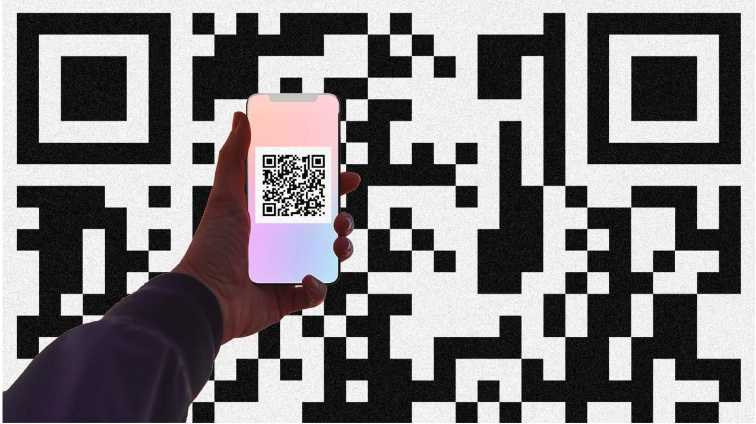
QR codes can be found on products, transportation tickets, next to exhibits in museums and at the doors of establishments. But how does this technology work, and how to use it correctly?
Can you create your QR code, and what can it be useful for entertainment, such as online casino india real money and online slots?
What is a QR code, in simple words?
Strictly speaking, a QR code is a barcode made in two dimensions, not in one, like a regular barcode. Also, QR itself is an abbreviation for Quick Response. QR codes’ main feature and function is that they quickly give access to specific information.
Most often, it is possible to meet a standard QR code in a store on the package of some goods. However, now, these tags appear in other public places. They give visitors access to detailed information online instead of placing bulky announcements and rules on paper.
The history of QR codes origin
There is a simple answer to the question “What is the QR code for?” – it allows encrypting a large amount of information. The first QR code was presented in 1994 and could encode up to 7 thousand symbols. Initially, the manufacturers applied the technology to create automobiles, but with time, it has left the industry.
QR codes are used everywhere – from government agencies to textbooks and advertising. It has become possible because the technology is open source – anyone can understand its device and build it into their project.
Working principle
If we describe a QR code in simple words, it turns out that it consists of several elements:
- Around the pattern itself, there is a white frame, which allows you to separate the data from the surrounding objects.
- The central part consists of three black squares, thanks to which QR-code scanners realize that there is a code in front of it and directly the field with data.
- The field with data looks like an unusual pattern in which the symbols are encrypted. For correct operation, the image is divided into sectors connected by a synchronization bar – an L-shaped line connecting the cells.
- There is also a separate field on the right under the upper right square, in which the standard version is encrypted, according to which a particular QR code is made.
As a result, regardless of the QR code types, they all work according to the same scheme. The QR code reading starts with the device recognizing it by the three square marks and the white field around it. Then, the scanner reads everything located within the code.
It then begins to analyze the data it receives. The algorithm divides the image into cells by sectors, focusing on the synchronization band, and then determines the content of each depending on what is encrypted there using black and white. As a result, it all adds up to a sequence of symbols, which most often represents a link to some page on the internet or an image.
What are QR codes?
There is often a question about what QR codes are in principle. Even though all of them encrypt symbols in one way or another, there are several varieties, the version of which is written on the top right:
Numeric
The original standard involves only decimal numbers from 0 to 9. It was the one that began to be used in the production of cars because such a code fit up to 7089 characters.
Alphanumeric
Such QR codes can already contain numbers from 0 to 9, Latin capital letters from A to Z, and special characters like space, $, %, *, +, – and so on. Because of this, up to 4296 characters can be written into such a code.
Binary
Unique QR codes intended for coding according to ISO 8859-1 standard. This type of data exchange is primarily intended for transferring information between computers and is practically useless for a human being.
Kanji
Also, QR codes can be used for writing Japanese characters kanji. Because of the complexity of recording, only 1817 symbols are placed in such a code.
There are varieties of QR codes that allow combining up to 16 such structures into one record. It significantly expands the possibilities of information storage and can help record large blocks of data in production.


How and by what means is a QR code read?
On an iPhone, it is enough to launch the application “Camera”, point at a QR code, and the device will immediately offer to interact with it somehow. Modern tablets, for example, the same iPad, also have such functionality. But for older models of phones and other devices, it may be necessary to install a separate application, which will scan everything falling into the camera for the presence of QR codes there.
The sphere of use and application of QR codes
QR codes have ceased to be a highly specialized technology, and now they are used everywhere. For example, according to the new laws, all dairy products are now labelled not by the barcode on the package but by a separate sticker.
QR can also be found in advertising: often, advertisers leave links to their resources or videos containing additional information. Many tickets, whether they are passed to concerts and other events or transportation tickets, are marked with QR codes for the convenience of cashiers who read them. Also, many museums place QR codes with links to the most actual information near the exhibits instead of signs with descriptions.
There are also enough creative spheres of application: stores use codes in their promotions, printing them on receipts, and owners of business cards place their contacts through them for the convenience of clients.