


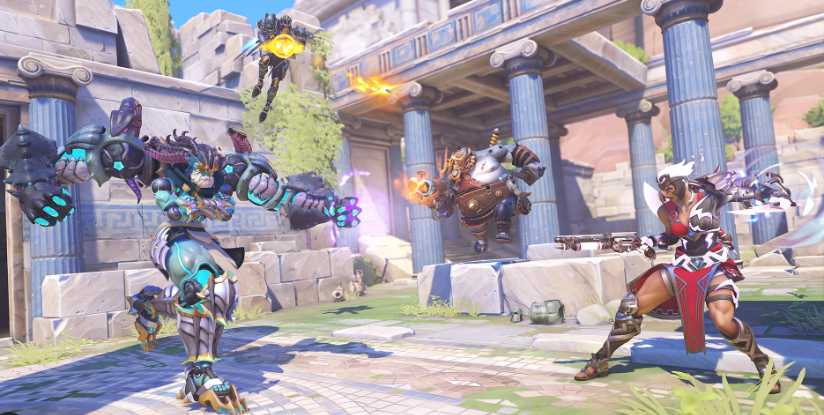
The concept of the gatekeeper’s challenge occupies a central place in mythology, serving as a pivotal moment in the narratives of heroes and gods alike. In the ancient Greek tradition, these challenges often occur at the cusp of a hero’s journey, marking the transition from the known world into the realm of the divine or the supernatural. One of the most evocative of these narratives is the “Trials of Olympus,” a series of mythical tests that aspirants must overcome to gain entry into the hallowed halls of the Olympian gods. This tale is not just a story of adventure and bravery; it’s a deeply symbolic journey reflecting the inner struggles we all face in our quest for personal growth and enlightenment.
At the heart of the gates of olympus is the figure of the gatekeeper, a daunting entity tasked with the role of testing the worthiness of those who seek to enter Olympus. This character is not merely an obstacle but a symbolic guardian of the sacred, a mediator between the mortal and the divine. The gatekeeper’s challenge is multifaceted, designed to test the physical prowess, moral integrity, and spiritual wisdom of the hero.
The first trial typically involves a test of strength or skill, a direct confrontation with a formidable opponent or a seemingly insurmountable task. This trial is emblematic of the hero’s physical journey, mirroring the real-world challenges we face that require determination, resilience, and the mastery of our own physical limitations. Hercules’ twelve labors, for instance, are a classic example of this type of trial, where brute strength, ingenuity, and endurance are key to overcoming each challenge.
Following the physical trial, the aspirant faces a moral test, designed to probe the depth of their character and the purity of their intentions. This trial often takes the form of a temptation or a moral dilemma, where the right choice is not always clear, and the consequences of failure are severe. The trial of moral integrity forces the hero to confront their own values, ethics, and the strength of their commitment to their quest. It is a reflection of the inner battles we fight to stay true to ourselves and our principles in the face of adversity.
The final trial is one of spiritual wisdom, where the seeker must demonstrate a deep understanding of the divine and the mysteries of the universe. This is often the most challenging trial, as it requires not just knowledge but true insight and enlightenment. The hero may be asked to solve a riddle, interpret a prophecy, or make a sacrifice, each task designed to test their spiritual maturity and their readiness to enter the divine realm. This trial speaks to the journey of self-discovery and the quest for meaning that lies at the heart of the human experience.
Overcoming the “Trials of Olympus” is not the end of the journey but the beginning of a new chapter in the hero’s saga. Entry into Olympus grants the hero not just physical rewards but a deeper connection to the divine, a sense of belonging to something greater than themselves. It is a metaphor for the transformative power of overcoming challenges, a reminder that the path to enlightenment is fraught with obstacles that test every aspect of our being.
The narrative of the “Trials of Olympus” has resonated through the ages, inspiring countless stories, artworks, and philosophical musings. Its enduring appeal lies in its universal themes of struggle, growth, and redemption. It serves as a powerful allegory for the human condition, reflecting our own journey through life’s trials in pursuit of our highest potential.
In modern times, the “Trials of Olympus” can be seen in various forms, from the personal struggles we face in our daily lives to the grand challenges that confront humanity as a whole. The quest for knowledge, the battle against climate change, and the fight for social justice are contemporary manifestations of these ancient trials, each demanding a combination of strength, moral courage, and wisdom to overcome.
Furthermore, the “Trials of Olympus” continues to inspire the arts and entertainment, serving as a rich source of material for novels, films, and video games. These modern retellings often reinterpret the classic trials in contemporary settings, exploring timeless themes through the lens of current societal issues and personal struggles. They remind us that the journey of the hero is as relevant today as it was in ancient times, offering insights into the human psyche and the eternal quest for meaning and connection.
In conclusion, the “Trials of Olympus” is more than just a mythological narrative; it is a deeply symbolic representation of the human journey. The gatekeeper’s challenge, with its trials of strength, morality, and wisdom, serves as a metaphor for the obstacles we face in our quest for growth and self-discovery. As we navigate our own trials, the story of the hero’s journey to Olympus reminds us of the transformative power of perseverance, integrity, and insight. It encourages us to embrace our struggles, to learn from them, and to emerge stronger, wiser, and more connected to the world around us. The “Trials of Olympus” is a timeless tale, one that continues to inspire, challenge, and illuminate the path to our highest selves.