

Before the Industrial Revolution transformed the world, the job landscape looked significantly different from today’s employment scene. The majority of people lived in rural areas and worked in agriculture, but there were also many skilled trades and crafts that played essential roles in society. Let’s dive into some of these pre-industrial revolution jobs and understand their importance in the community.
Agricultural Workers
The backbone of pre-industrial society was agriculture. Most people were involved in farming in some capacity, whether as landowners, tenant farmers, or laborers. Their lives revolved around the seasons and the agricultural calendar, planting and harvesting crops, raising livestock, and maintaining the land. Despite the hard work, agricultural productivity was relatively low due to the lack of advanced tools and techniques, meaning that a large portion of the population was needed to work the land to ensure enough food for everyone.
Craftsmen and Artisans
Craftsmen and artisans were highly respected in pre-industrial communities for their skills and the quality of their work. These included carpenters, masons, weavers, tailors, and shoemakers. Each artisan typically had a specific area of expertise and would spend years as an apprentice learning their trade before becoming a master craftsman. They produced everything from clothing and household goods to tools and building materials, often custom-made to order.
Blacksmiths
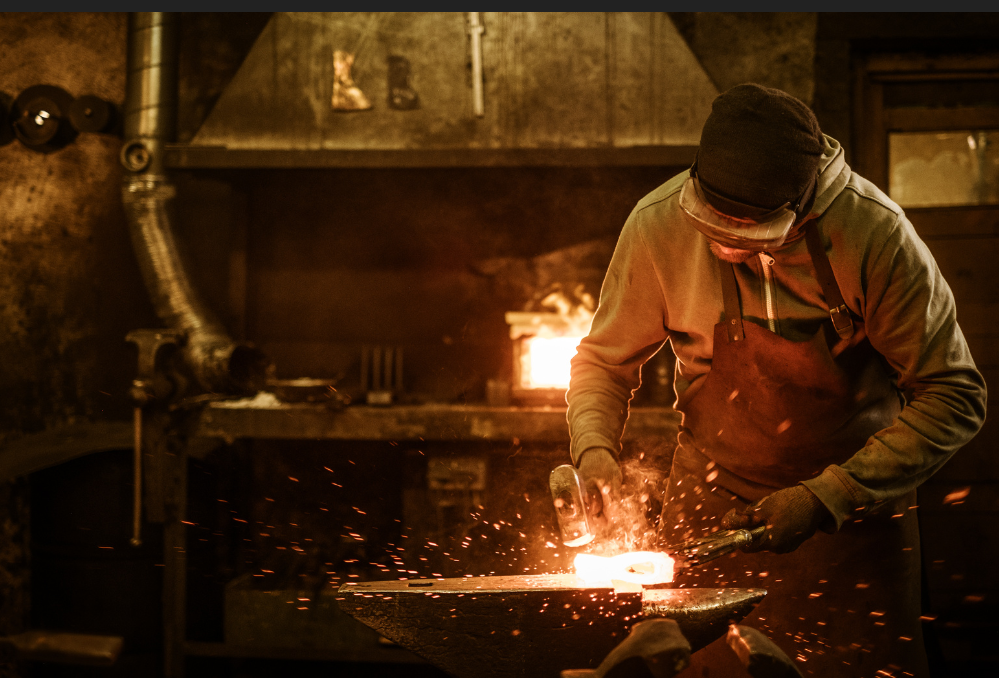
Now, what is a blacksmith? A blacksmith was one of the most crucial tradespeople in any pre-industrial community. They worked with iron and steel, heating the metal in a forge and then hammering, bending, and cutting it to create a wide range of products, from horseshoes and farm tools to weapons and household items. Their role was so vital because they provided the tools and equipment necessary for other tradespeople and farmers to do their jobs.
Millers
Millers played a critical role in food production by operating mills that ground grain into flour. In a time when bread was a staple part of the diet, the miller’s work was essential. Mills were typically powered by water or wind, and the miller was responsible for maintaining the mill and ensuring it operated efficiently. This job required a good understanding of mechanics and engineering, even before such terms were commonly used.
Merchants and Traders
Merchants and traders were the middlemen of the pre-industrial world, buying and selling goods both locally and over longer distances. They were vital for distributing products made by artisans and farmers to a wider market. Some merchants specialized in international trade, importing goods like spices, silk, and other luxury items that were not available locally.
Miners
Mining was another critical occupation, though it was often dangerous and grueling work. Miners extracted coal, tin, lead, and other minerals from the earth, providing essential materials for various industries, including construction, metalworking, and later, to fuel the steam engines of the Industrial Revolution.
Textile Workers
Before the advent of mechanized looms, textile production was a labor-intensive process involving spinning, weaving, and dyeing by hand. Many people, particularly women, were employed in spinning yarn and weaving cloth in their homes, a system known as the domestic or putting-out system. Clothiers would then collect the finished textiles to dye and finish them before selling.
Servants and Laborers
Many people worked as servants in the homes of the wealthy or as laborers for hire. Servants could be employed in a variety of roles, from cooks and maids to gardeners and stable hands. Laborers, on the other hand, might work on construction sites, docks, or any other place where extra hands were needed.
In conclusion, the job landscape before the Industrial Revolution was diverse, with most employment centered around agriculture, craftsmanship, and trade. Each job played a vital role in the community, contributing to the functioning and well-being of society as a whole. While the Industrial Revolution brought significant changes to the workforce, the value of these pre-industrial jobs and the skills of those who performed them laid the foundation for the modern world.